
Smith County Court Record Requests
First, figure out which office holds the file. Circuit Clerk Anthony Grayson keeps the Circuit docket materials. His office also holds orders, minute-book references, execution-docket material, and full court records. Chancery Clerk Cindy Austin handles Chancery cases along with the county's land-record route. Justice Clerk Donna Watts is the contact for Justice Court. That covers traffic, criminal, and limited civil matters. A town ordinance record sits with the municipality that issued it. Mississippi Electronic Courts with PAMEC is the remote route for participating Circuit and Chancery records. It does not replace the clerk, though. An image may be missing, or a file may need a copy request.
- Write down the court, approximate year, case number if known, document type, and whether a plain or certified copy is needed.
- Use PAMEC/MEC for available Circuit or Chancery docket sheets, notices, and eligible electronic documents. Use the clerk office for Justice or municipal records.
- For a clerk request, call or visit the correct office to confirm that the record is open, the current payment amount, and the delivery method.
- For a mailed Smith County request, reasonably identify the document and include the required payment form and a self-addressed stamped envelope.
- Keep the clerk’s response with the record. A refusal or redaction may reflect a specific access limit rather than a missing case.
The Mississippi Public Records Act guidance lays out the general access rules, fees, redaction practices, and the written-denial framework.
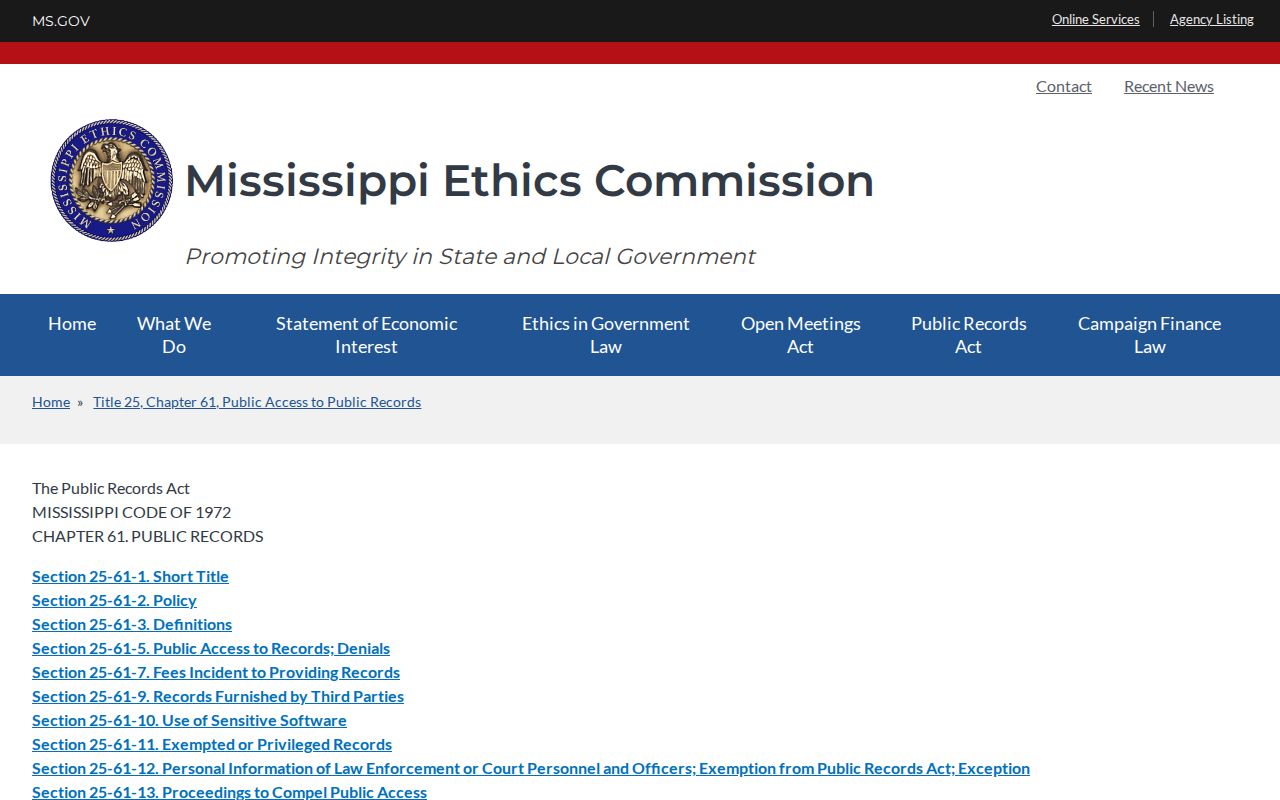
Court rules and confidentiality laws still govern judicial files, even where the general public-record framework applies.
Smith County Record Custodians
The court offices sit in separate spots around Raleigh. The state's 2026 courthouse directory gives 123 Main St. as the county courthouse reference, while the Chancery Clerk lists 201 Courthouse Square and places the Chancery building across from the courthouse. Label each office by its function. Confirm the current destination before visiting in person. County hours are generally 8 a.m. to 5 p.m., Monday through Friday, with holiday and closure exceptions.
Smith County Circuit Clerk
P.O. Box 517
Raleigh, MS 39153
601-782-4751
Smith County Chancery Clerk
P.O. Box 39, 201 Courthouse Square
Raleigh, MS 39153
601-782-9811
Any office can point you toward the court that holds the case. Still, the office named on the case is the best place to begin.
Kinds of Court Records
A "court record" can be a docket sheet. It can also be a filed document, a signed order, or a copy. The clerk maintains that file. Chancery work in Smith County covers family, estate, guardianship, land, title, and equity matters. Circuit handles felonies, civil cases within its jurisdiction, and some appeals. Justice and municipal courts keep the lower-court files within their own jurisdictions.
- Circuit docket sheets, pleas, indictments, orders, minute-book references, execution-docket entries, and related case records.
- Chancery case files for domestic relations, estates, guardianships, land, title, and equity matters.
- Recorded land documents available for public inspection through the Chancery Clerk’s office.
- Justice Court files involving county citations, certain criminal charges, and limited civil matters.
- Municipal court records for ordinance and town-court cases maintained by the issuing town.
A recorded land document and an MEC case docket follow two different Smith County record paths. Ask the Chancery Clerk which route fits the document you need.
Smith County Request Details
A narrow, well-identified request moves faster than one asking for every paper tied to a person or event. Give the court, the approximate year, the case number when known, the document type, and the copy type. A tight request also lets the clerk spot redaction, certification, mailing, or payment questions before work begins.
| Court | Name Circuit, Chancery, Justice, or the issuing municipality so the request reaches the proper custodian. |
|---|---|
| Case number | Use the number exactly as printed when it is available; do not construct a format from memory. |
| Approximate year | Helps distinguish historical files and narrows the clerk’s search. |
| Document type | Examples include docket sheet, order, recorded document, or a specified filing. |
| Copy type | State whether a plain copy or a certified copy is requested and ask whether the item is open. |
Mail requests need a check or money order plus a self-addressed stamped envelope under the county's published instructions. Chancery checks go to the Smith County Chancery Clerk.
Court Records: What They Contain
A Smith County court record often holds more than a docket shows. The docket lists events in order. The case file holds the documents. It may include pleadings, motions, orders, notices, judgments, and attachments. What is available depends on the court and the record's status. Redaction and the document itself also matter. Name the specific item in your request when you can.
| Case number | The unique file locator used by the court and clerk. |
|---|---|
| Docket sheet | A dated sequence of case events, filings, settings, and orders. |
| Pleadings and motions | Documents filed to begin, answer, or seek action in a case, when open to the requester. |
| Orders and judgments | Signed rulings or directions entered by the court. |
| Exhibits and attachments | May be limited, redacted, or unavailable even if a docket entry is visible. |
Smith County Electronic Records
Smith Chancery joined MEC on May 14, 2018. Smith Circuit's CourtInfo page lists September 30, 2024 as its go-live date. Public remote viewing runs through PAMEC/MEC. It is not a county-run party-name search box. A visitor can also use clerk-office access or a courthouse public terminal where available. Remote access requires an account. The charges appear in the current portal terms. A dated statewide electronic-records report describes the broader Mississippi MEC rollout.
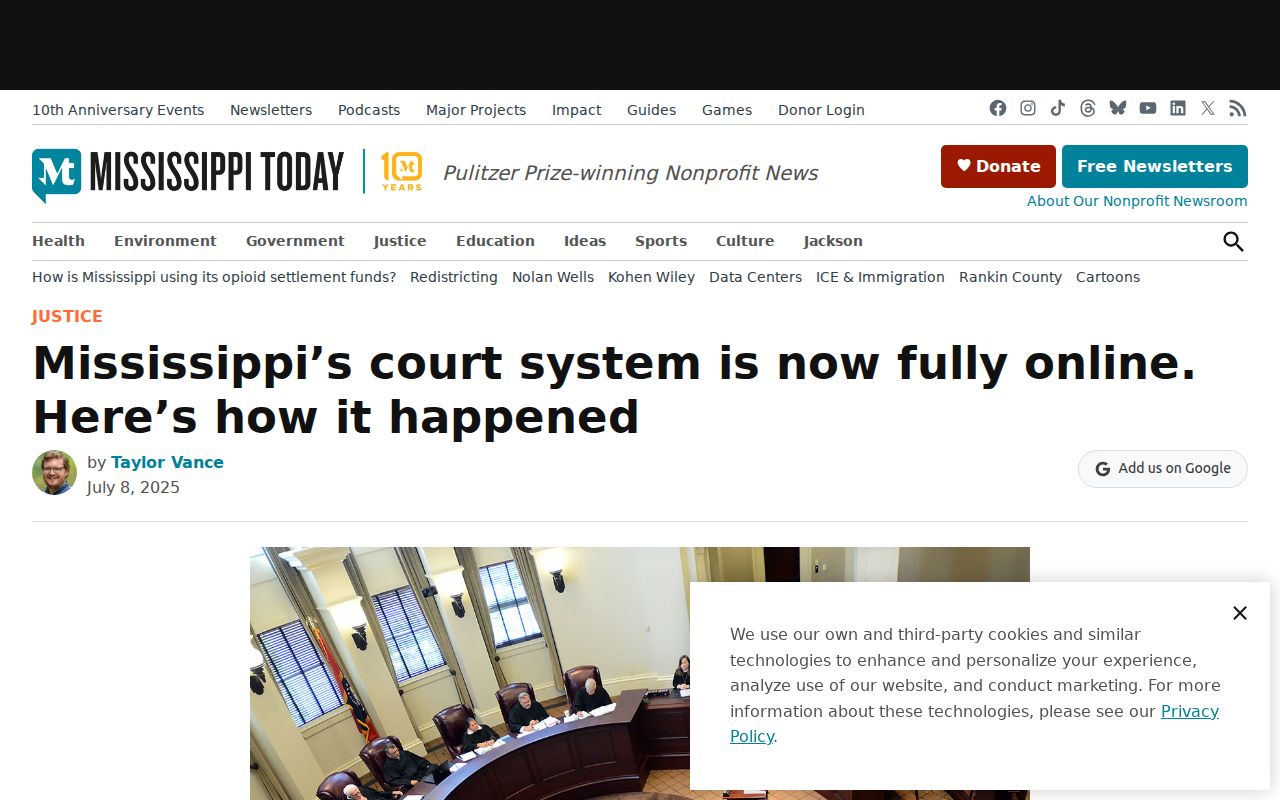
For Circuit and Chancery electronic records, Smith's two court-specific MEC sites remain the operational starting points.
Copy Fees and Certification
A plain copy is just a reproduction. A certified copy carries the clerk's certification. Order one only if the receiving office requires it. Smith County publishes a per-page price for public-made and staff-made copies. It notes an additional certification fee without stating the amount. Confirm the total with the clerk before sending payment.
| Smith County item | Published amount | Request note |
|---|---|---|
| Public-made copy | $0.25 per page | County’s published copy rate. |
| Staff-made copy | $0.50 per page | County’s published staff-copy rate. |
| Certification | Additional fee, amount not published | Ask the receiving clerk for the current total. |
| PAMEC search result | $0.20 per returned page | Portal charge under inspected non-attorney terms, separate from clerk copies. |
Never mix a PAMEC charge with a courthouse-copy price. They are separate channels with their own payment and delivery rules.
Smith County Recording Timing
The county says recorded documents are available the same day upon receipt. Land records can be inspected during Chancery office hours. That promise covers only the land-record workflow. It does not guarantee same-day access to every case file, scanned image, certified copy, or item needing review and redaction. When timing matters, ask about the item. Is it a recorded land document, a docket entry, a paper case file, or a certified copy? Each category can have its own handling steps.
Smith County Record Redactions
Not everything in a Smith County court docket is open. Youth records can carry restricted access. So can sealed filings, protected addresses, financial-account details, and medical material. The MEC login page gives filers a practical reminder list. Redact Social Security numbers, tax-identification numbers, dates of birth, minor children's names, financial-account numbers, and home addresses before filing. Treat that list as a helpful prompt rather than a full access rule.
A public body that denies a record request under the public-record process must follow the Ethics Commission's guidance on written denials and specific exemptions. Court records answer to their own statutes and rules on top of that framework.
Access Rules for Court Records
Mississippi's public-record law backs inspection and copying of public records. It does not sweep aside every judicial-record rule, though. A clerk may redact exempt material. A docket entry can be public even when the document behind it is not. Youth matters carry extra confidentiality limits. Ask for a particular Smith County court record by name, and let the clerk apply the governing law from there.
Key Mississippi rules:
Miss. Code §§ 25-61-5 and 25-61-7 provide the access, response, redaction, written-denial, and reasonable-fee framework described by the Ethics Commission.
Miss. Code § 25-61-11 recognizes that other statutes and rules can make records confidential or exempt.
Miss. Code § 9-1-38 is a judicial-record access reference that should be checked with current court rules.
Miss. Code § 43-21-261 is a starting point for youth-court confidentiality verification.
Smith County Court Rule Checks
A statute citation is a starting point, never a substitute for the court's current order or rule. To check the current, unannotated code, use the Mississippi Code gateway, the official route.
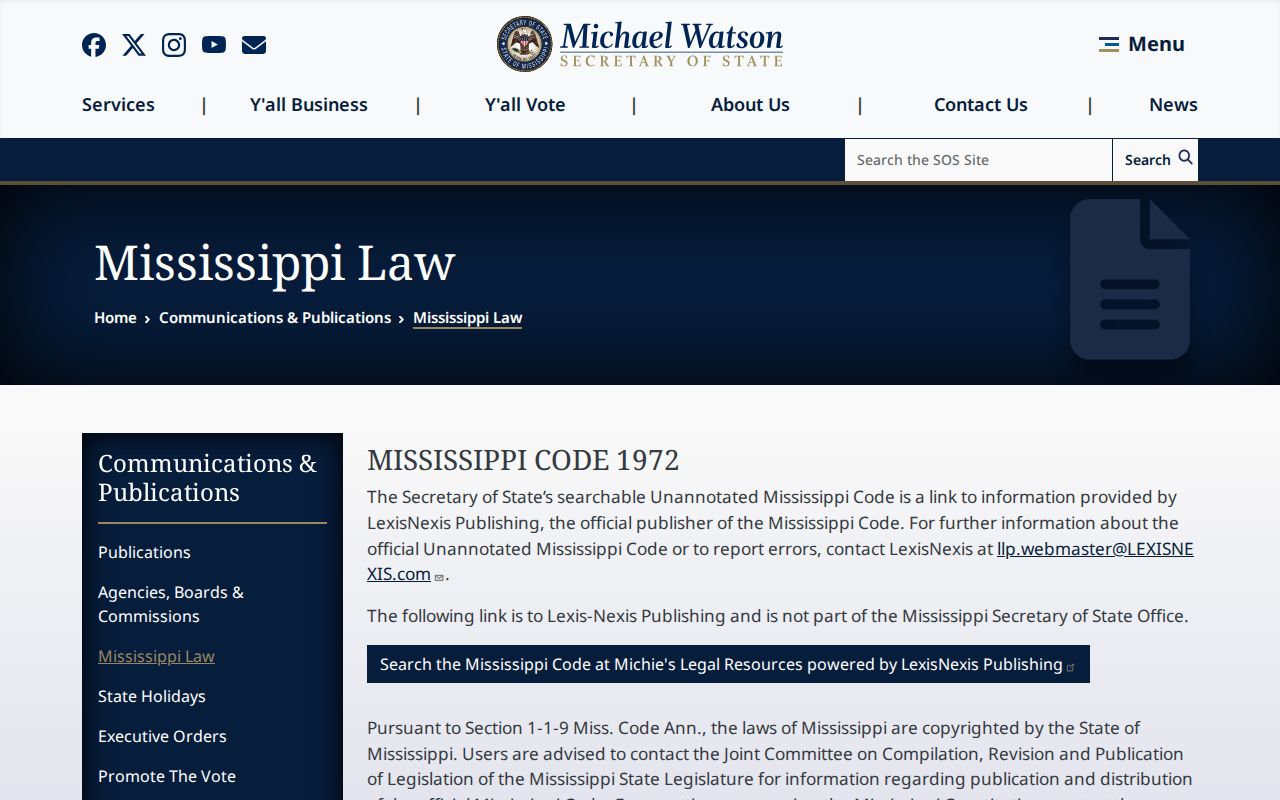
When an access question turns on one particular record, pair the code with the receiving clerk's current instruction. That combination gives you the answer that fits your case.
Smith County Record Law Sources
Need a statute's history? The Mississippi Legislature website posts bills, journals, and legislative-history materials that help with that. It is not a record-request portal, and it never takes the place of the court clerk's custodial role.
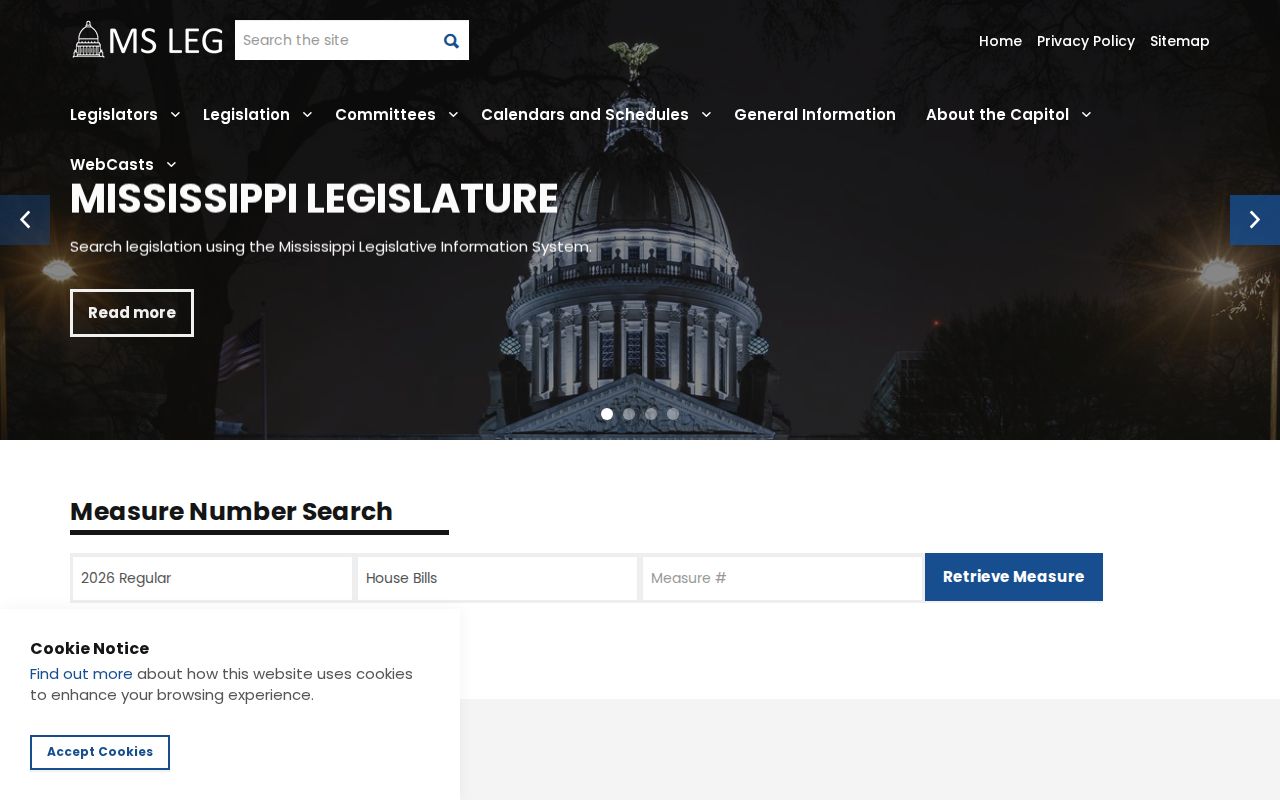
For a particular Smith County case, the right court and clerk remain the source of a certified or maintained copy. Start there, not with a legislative site.
Smith County Record Search Fallback
Smith County offers no free party-name civil docket search. The county website search does not reach case records. If a PAMEC/MEC query comes up empty, contact the court custodian. Ask whether a public terminal is available. Then submit a request that identifies the case reasonably well. Justice and municipal records start with those local clerks, not a Circuit or Chancery portal.
Federal records are different. They run through PACER and the Southern District of Mississippi clerk, not Smith County MEC. Keep these channels separate, and your request lands in the right office the first time.